Author name: Dr. Sharanya Shaker

Dr. Sharanya Shaker is an esteemed aesthetic physician known for her comprehensive understanding of facial anatomy and aesthetics. Her continual education through prestigious institutions such as the Allergan Medical Institute and participation in esteemed conferences like IMCAS and AMWC ensures she remains at the forefront of her field, constantly learning and evolving. She has trained and worked with prestigious institutions. This diverse experience has enriched her practice, allowing her to provide the highest level of care and professionalism to her patients. Mentored by top dermatologists and plastic surgeons for over eight years, both internationally and nationally, Dr. Shaker has absorbed their expertise and innovative approaches. She has been associated with renowned institutions and trained under some of the best minds in the field. Beyond her technical skills, Dr. Shaker is known for her warm and compassionate nature. Patients often feel at ease under her care, confident that their aesthetic needs are in the right hands. Her dedication to her patients’ well-being and her genuine approach make her not only a skilled physician but also a trusted and comforting presence.

5 Fast Acting Acne Treatments in Bengaluru 2 1

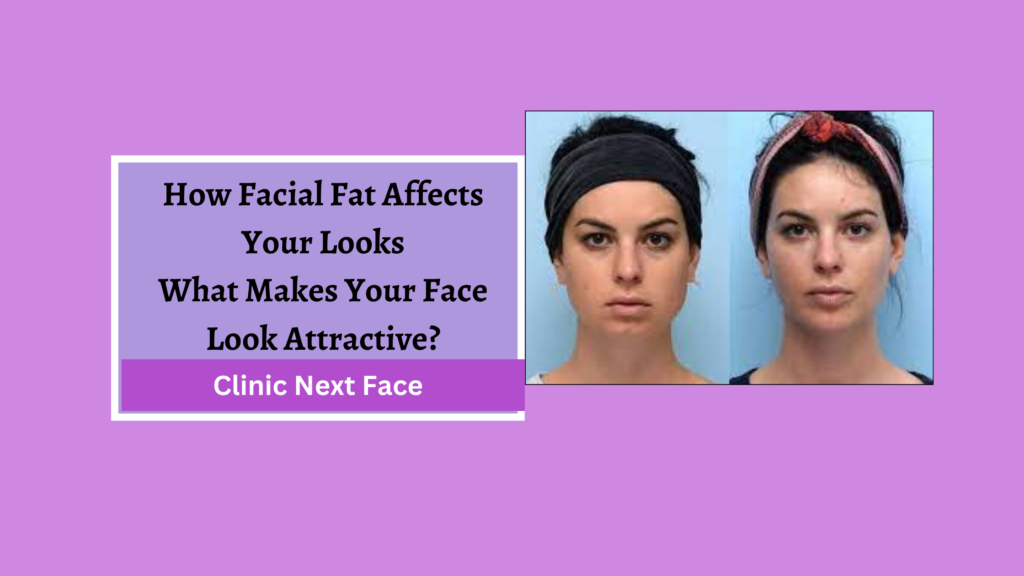
How Facial Fat Affects Your Looks and What Makes Your Face Look Attractive?

TL;DR Facial fat significantly impacts facial attractiveness, as it can alter the shape and contours of the face, leading to a less defined appearance. Weight gain can result in a puffier face with rounded features and a less prominent jawline, while weight loss can enhance facial angles and create a more sculpted look. Surgical procedures like buccal fat removal are popular among those seeking sharper facial features and reduced cheek fullness. Subcutaneous and visceral fat play distinct roles in facial and overall body appearance, with excess visceral fat posing health risks. Maintaining a healthy body weight and low body fat percentage (9-12% for males, 17-20% for females) is associated with enhanced facial attractiveness, emphasizing the importance of overall health for facial aesthetics. Improving facial attractiveness through weight loss not only enhances physical appearance but also contributes to better health outcomes and overall well-being. Our faces are always visible and anyone rarely covers them. Thus, people always want their faces to look attractive with flawless skin. However, proper skin care and sharp features aren’t enough to make your face look attractive. Fat deposits also affect your facial appearance and can make you look older than your age. Weight gain or loss changes skin elasticity and develops sagging fat near your jawline and cheeks. It relaxes the tight ligaments, which keeps your face looking youthful and sculpted.  Are you wondering how facial fat affects your looks and what should be your body weight so your face looks the best? Here you will learn how facial fat can affect your overall looks, what makes your face look attractive, and other relevant information.   How Body Fat Influences Facial Attractiveness  Gaining a moderate amount of body fat can even change the shape and appeal of your face. Weight gain makes your face look puffier with chubby cheeks and a rounded jawline. Zygion, the broadest portion of your face, has cheekbones. Once your body gains fat, zygion loses the existing amount of contours.  You can see a little bit of dip immediately above and under the cheekbones in the temporal portion. A lean face has more contours and thus, looks more shapely with prominent angles, which is mostly visible in the mandible when you lose weight.  People tend to gain the most fat around the jawline and midface region during massive weight gain, which fully changes their face shape. Your face gets much more attractive with clear angles and 3D aspects when you lose kilos of weight. The buccal area gets plumper with weight gain. The facial fat loss highlights deep valleys and contours around the brow/Isabella area, undereye area, cheeks, and chin. The jaw has more surrounding shadows and depth. The facial width-to-height ratio decreases considerably when cheeks slim down, which affects the perceptions of masculinity and creativity. The face looks less bloated and taller. You can control the weight gain and loss by changing the facial width and contours.   Why Facial Fat and Body Fat Percentage As a Whole Make Such a Noticeable Difference in Facial Shape No facial shape is considered to be perfect. However, people want to have a face shape that highlights their best features and has no fat because of which you should maintain the right body weight. Facial fat can never fully change your appearance but it does make a noticeable difference to it.  You may get a puffier face with rounded features or a moon face when your body has extra fat or fluid. Your face may also get puffier because of weight gain, hormonal changes, and consumption of certain medicines. Genes determine facial contour and definition because some people have sharp cheekbones and chin, while others have puffier faces with subtler features. Weight gain affects face angularities as the fats that can’t get stored in your body store in the face, which causes a double chin and turkey neck.  Many celebrities did multiple surgeries to get rid of chubby cheeks and look better. For instance, buccal fat removal is a permanent solution to remove the fats in the cheeks. Chrissy Teigen posted on Instagram about undergoing this surgery to get the correctly sculpted cheeks. It is a popular option among those who want sharp facial features instead of a chubby face. What is Facial Fat or Body Fat?  Facial fat is like the fat deposits around your tummy. Adipose tissue gain occurs naturally due to an increase in food intake. Subcutaneous and visceral fat are two different types of body fat in different positions with dissimilar functionalities and health complications.  Subcutaneous fat is the type of fat under your skin, which accumulates in your face, stomach, thighs, and hips. This type of fat gives energy to your body, controls body temperature, and adds padding to the inherent tissues.  The face has subcutaneous fat, mostly around the cheek and buccal portions.  Visceral fat, also called “intra-abdominal fat”, accumulates deep inside the abdominal cavity and surrounding internal organs, such as the intestines, pancreas, and liver. It forms under the abdominal muscles and can’t be seen outside. Even though visceral fat protects organs, its excessive amount can be hazardous to your health. This type of fat is active metabolically and releases cytokines that cause inflammation and control the level of insulin that deteriorates your health. The increasing body fat percentage widens the mid and lower face, and nose. It also reduces the height of your eyes. With a lesser body fat proportion, the face looks more angular with a sharp chin and narrow cheeks. You can get rid of the excess adipose tissues by eating less food and exercising more every day. Losing facial fat pops up the cheekbones and jawline.  What Makes a Face Look Attractive? Depth and 3D features make a face look attractive. The abs, midface portion, cheekbones, and jawline appear with much more depth when you lose body fat. A face with fat doesn’t have the 3D contours. When the midface region has 3D-ness, your face looks fatless with prominent features.    How Does Facial Fat

How Facial Fat Affects Your Looks and What Makes Your Face Look Attractive? Read More »

Why Deep Phenol is Bad For Indian Skin?

Why Deep Phenol Peel & TCA Peel Can Be Dangerous For Indian Skin?

TL;DR Deep Phenol Peels and TCA Overview: Deep phenol peels are the most aggressive form of chemical peels, shedding a portion of the entire epidermis to reveal fresh skin. Phenol, derived from petroleum, is the key component, causing restricted injury to reduce facial wrinkles. Understanding Brown Skin for Chemical Peels: Brown skin has higher melanin concentration, more cell layers, sweat glands, and ceramide content. Despite high ceramide levels, brown skin is sensitive to pigmentation changes, Immediate Reactions to Deep Phenol & TCA Peels: Irritation, redness, color changes, burns, scars, crusting, scabs, swelling, allergies, and infection are common immediate reactions. Increased sensitivity to sunlight is a notable side effect, requiring avoidance of sun exposure. Long-Term Complications on Brown Skin: Persistent erythema, edema, blistering, milia, hyperpigmentation, depigmentation, herpes simplex infection, atrophy, changes in skin texture, and delayed healing are potential long-term complications. Complications like persistent erythema may indicate potential scarring, and milia can occur in the initial healing weeks. Nowadays, chemical peels are one of the best solutions to reduce the appearance of blemishes and signs of aging, which make you look younger than your age.  So, many people are doing the strongest deep phenol peel due to their high-intensity level, and skin penetration capabilities and get exceptional results. However, being the toughest type of chemical peel, it comes with certain risks, and side effects and can have dangerous effects on your skin.  Deep phenol peel doesn’t suit Indian brown skin or dark skin tone because of its high melanin content, and thus, high risk of developing PIH. As dark skin responds to injuries or inflammation, it produces extra melanin and develops dark spots and patches.  The aggressiveness of deep phenol peel causes scars and uneven tone. Indian skin gets more sensitive to the sun after the treatment intensifies the sun damage risks, develops pigmentation, and delays healing, which causes irritation, redness, and infection.  As deep phenol peel is an aggressive skin treatment, consulting a skilled doctor is crucial before getting it done. At CNF, our doctor checks your skin type, and melanin content and recommends the right treatment to deliver the desired results rather than performing deep phenol peel because of which your skin may have severe side effects Overview of Deep Phenol Peels & TCA Here is an overview of deep phenol peels & TCA that you should know before doing it:  Definition and Purpose A deep phenol peel is the deepest and most aggressive form of chemical peel, which sheds a portion of the entire epidermis and reveals fresh skin underneath. Phenol, the organic molecule, acquired from petroleum elements, can be generated deeply inside your skin and thus, used in aesthetic treatments.  It causes a restricted injury, which can visibly reduce the appearance of facial wrinkles post-healing. As phenol contains acidic properties, it is widely used in skincare products.  Unlike AHA/BHA peel, a deep phenol peel gets into the superficial layer and gently sheds dead cells on your skin’s topmost layer. Since phenol peel is very aggressive, it doesn’t suit Indian skin tones with a high melanin content. A phenol peel works well with people with mild to deeper acne scars, sun damage spots, and wrinkles.  Phenol, also called “carbolic acid”, removes your skin’s outer layer. A deep phenol peel is a skin resurfacing treatment whose purpose is to remove damaged cells, lighten acne scars, and boost collagen production in your skin. You will get a clearer and younger skin after the treatment.  Common Usage Of Deep Peels in Skincare A phenol peel is a commonly used ingredient in the skincare industry to cure skin conditions, such as acne and eczema. Since phenol acts as a disinfectant, it can heal your skin when combined with other treatments.  Phenol peel is non-invasive that causes tiny tears in your skin which produces more elastin and collagen post the treatment. The molecules in the peel deeply penetrate your skin’s top layer and reduce the appearance of discolorations and blemishes.  Skincare products containing phenol peel can exfoliate dead cells from the pores and cure acne breakouts. You can apply phenol peel products on your face as an inclusion of a multidisciplinary process when treating freckles and age spots. Phenol peel controls sebum production and shrinks the large open pores in your skin. As the excessive oil production controls, it minimize the chances of pore blockages and decreases the size of pores.  Understanding Brown Skin For Chemical Peels If you have a brown skin tone, you should know its unique properties and common challenges it faces before getting the deep phenol peel.  Unique Properties of Brown Skin Here are the key properties of brown skin:  High Melanin Concentration Brown skin has a higher level of melanin concentration than fair skin and thus, has a higher risk of hyperpigmentation as the pigment cells react quickly. As brown skin contains more melanin, it gets more protection against harmful sun rays. Dark skin has the same number of melanocytes as light skin. However, such cells produce larger melanosomes.  More Cell Layers, Sweat Glands, and Ceramide Content Brown skin contains more cellular layers, which makes it more compact and less prone to wrinkles and aging. Dark skin has more tiny blood vessels and sweat glands and is thus, a little oilier than fair skin. It also tends to get drier as its transdermal moisture loses more than light skin.  Asian skin has a high level of ceramide that helps in maintaining a strong skin barrier, holding moisture, protecting against irritants, and controlling moisture loss. A high ceramide content in Indian brown skin helps in strengthening the barrier and keeps it hydrated.  Sensitivity to Pigmentation Changes Even after having a high ceramide content, brown skin is quite sensitive to pigmentation changes. Ceramides and sensitivity in your skin have a complicated relationship, which varies depending on multiple factors, such as environmental elements, genetic predisposition, allergies, irritation from skin care product ingredients, and other skin disorders. As brown skin is extremely sensitive to pigmentation changes, it demands special attention. Immediate

Why Deep Phenol Peel & TCA Peel Can Be Dangerous For Indian Skin? Read More »

Skin Whitening Treatments In India

Which Treatment Is Best For Skin Whitening In India? : A Comprehensive Guide

TL;DR Desire for Fair Skin: In India, the pursuit of lighter skin is deeply rooted, often leading to the use of harmful fairness products that may cause skin damage and severe side effects, including the risk of skin cancer. Safe Skin Whitening Treatments: Advanced skin whitening treatments can rejuvenate skin without changing its natural tone, effectively addressing issues like acne scars, tan, hyperpigmentation, dark spots, and blemishes. Topical Treatments: Options include Retinol (reduces dark spots and wrinkles), Kojic Acid (inhibits melanin production), Niacinamide (brightens skin and reduces pigmentation), Ascorbic Acid (Vitamin C for pigmentation reduction), and Glycolic Acid (exfoliates for smoother skin). Chemical Peels: Various peels like Me Line, Cosmelan, Lactic Acid, TCA, Retinol, and Mandelic Acid Peels offer benefits ranging from treating hyperpigmentation to rejuvenating aged skin. Laser Treatments: Technologies like CO2 Laser, Q Switch Laser, and Intense Pulsed Light (IPL) Laser are used for skin whitening, addressing issues like sun damage, scars, and uneven skin tone. Injectable Treatments: PRP, PlasmoDerm, Volite, Hydra-Rich, and Baby Botox injections are used for natural skin whitening and reducing hyperpigmentation, offering benefits from hydration to wrinkle reduction. Other Treatments: Glutathione injections, Hydrafacial, Microdermabrasion, and IV Therapy are alternatives for skin whitening, each with unique benefits like detoxification, exfoliation, and hydration. Lifestyle and Diet: A healthy lifestyle and diet, including adequate sleep, stress management, and consumption of nutrients like vitamins A, B, C, essential fatty acids, and zinc, play a crucial role in maintaining brighter, healthier skin. Getting a glowing, even, and flawless skin tone is a dream for almost all people. Without using fairness creams and products, you can get brighter and healthier skin with our advanced skin whitening treatment. It rejuvenates your skin by treating all the issues, such as acne scars, tan, hyperpigmentation, dark spots, and blemishes.  Our experts lighten and brighten your skin tone rather than changing its original color. Once you visit CNF in Bengaluru, we will check your skin concerns and suggest the right whitening treatment to deliver the best results. Understanding Skin Whitening: the Desire for Lighter Skin India’s obsession with a white skin tone has been since the dawn of time. People with dark skin tones keep applying numerous fairness creams, lotions, foundations, and compact powder to get a lighter skin tone and look fairer. However, using such products every day may damage your skin rather than make it lighter. Some of them may cause severe side effects and even skin cancer.  Setting Expectations: Realistic Goals and Safe Practices Your skin gets darker and develops blemishes and dark spots because of consistent sun exposure, hormonal imbalance, genetics, stress, and medical issues. Harmful UV rays cause sunspots, blotches, and freckles on your skin, which make it appear darker. People damage their skin by repeated application of fairness products to get fairer skin, which is impossible. None of the products can change your skin color and can only make you look fairer for a while.  Different Types of Skin Whitening Treatments Here are the different types of skin whitening treatments you can do in India: 1. Over the Counter Topical Treatments Below are the different types of OTC topical treatments you can do to whiten your skin: Retinol What is it? Retinol, a type of Vitamin A, which is an ingredient in creams, serums, and lotions, can clearacne and give you a brighter skin tone. How Does it Work? Retinol boosts the production of skin cells and helps in unclogging pores. As retinol exfoliates the skin and produces more collagen, it reduces the appearance of dark spots, wrinkles, fine lines, and acne scars. Time to See the Result Retinol starts working on your cells immediately but takes many weeks for your skin to lookand feel better. Kojic Acid What is it? Kojic acid is used in beauty products as a skin-whitening element. It can cure skin disorders,such as age spots, acne scars, and sun damage. How Does it Work? Melanin, a natural pigment in your skin, adds color to your skin, hair, and eyes. Tyrosine, an amino acid, promotes melanin production. Kojic acid blocks tyrosine formation and combat melanin production, which lightens your skin. Apply kojic acid products and leave them on your skin so they get fully absorbed.  Such products reduce the appearance of dark spots, sun damage, and age spots, they give you younger-looking skin. Kojic acid can also reduce melasma, scar discoloration, and dark pigmentation, which gives you an even skin tone. Time to See the Result You will get results in 2 weeks if kojic acid is used topically. The results are faster or better ifyou use it with glycolic acid. Niacinamide What is it? Niacinamide,  i.e. vitamin B3, is a key ingredient in many skin whitening products. It reduces the appearance of acne scars, and aging signs and brightens your skin. How Does it Work? You can apply niacinamide products on your skin every morning and evening. When applying niacinamide, you can mix it with other potent antioxidants, such as tocopherol, quercetin, and camellia sinensis (green tea) catechins.  Niacinamide restores cellular vitality, and repairs DNA and sun UV rays’ immunosuppressive effects, which protect your skin against stresses that cause wrinkles and discoloration. As niacinamide is an excellent brightening component, it removes hyperpigmentation and gives you an even skin tone. Niacinamide prevents pigment transfer in your skin, which removes brown spots. Time to See the Result You get a brighter skin tone after using niacinamide products for 3 months. Ascorbic Acid What is it? Ascorbic acid, called “Vitamin C” in primary form, can whiten your skin as an ingredient of skin tightening products. The topical application of ascorbic acid products can replenish skin concentrations. How Does it Work? With everyday application, you will get brighter and more youthful skin. OTC creams containing Vitamin C have a slight pigment-lightening effect. Ascorbyl glucoside reduces the common types of hyperpigmentation, such as melasma and age spots, which occurs because it blocks the tyrosinase action, which forms melanin.  Magnesium Ascorbyl Phosphate (MAP), a Vitamin C stable derivative, controls

Which Treatment Is Best For Skin Whitening In India? : A Comprehensive Guide Read More »

Arrange an appointment and talk to our specialists.

Our specialists will revert to answer all your queries.

Why CNF

Experienced in-house team of Certified Dermatologists, Nutritionists and Image Consultants.

India's First Anti-Ageing Clinic which takes holistic approach to make you look and feel younger. ​

We commit to provide customized treatments and setting right expectations before treatments.​

1 Lakh + HAPPY Customers